
TL;DR — Buying Private Proxies: What You Need to Know
Last updated: March 2026. Private proxies give you an exclusive, dedicated IP address no one else uses. They are faster, more reliable, and harder to block than shared proxies. Choose the proxy type based on your use case: datacenter for speed, residential for stealth, mobile for social platforms, ISP static for a balance of both.
Quick decision guide:
- Need maximum speed + low cost → Datacenter private proxies
- Need to bypass anti-bot protection → Rotating residential proxies
- Need rotating IPs automatically → Rotating proxies
- Need UDP/all-protocol support → SOCKS5 proxies
- Need dedicated IPs for social/accounts → Private proxies
What Is a Private Proxy?
A private proxy (also called a dedicated proxy) is a proxy server IP address assigned exclusively to a single user. Unlike shared proxies — which distribute one IP among dozens of users — a private proxy gives you sole ownership of that IP address for your subscription period.
This exclusivity delivers three key advantages:
- Speed: No bandwidth competition with other users. Full server resources dedicated to your traffic.
- Reliability: If the IP gets flagged or blocked, it is your activity causing it — not another user you share with.
- Control: You decide how the IP is used, what headers it sends, and how frequently it makes requests.
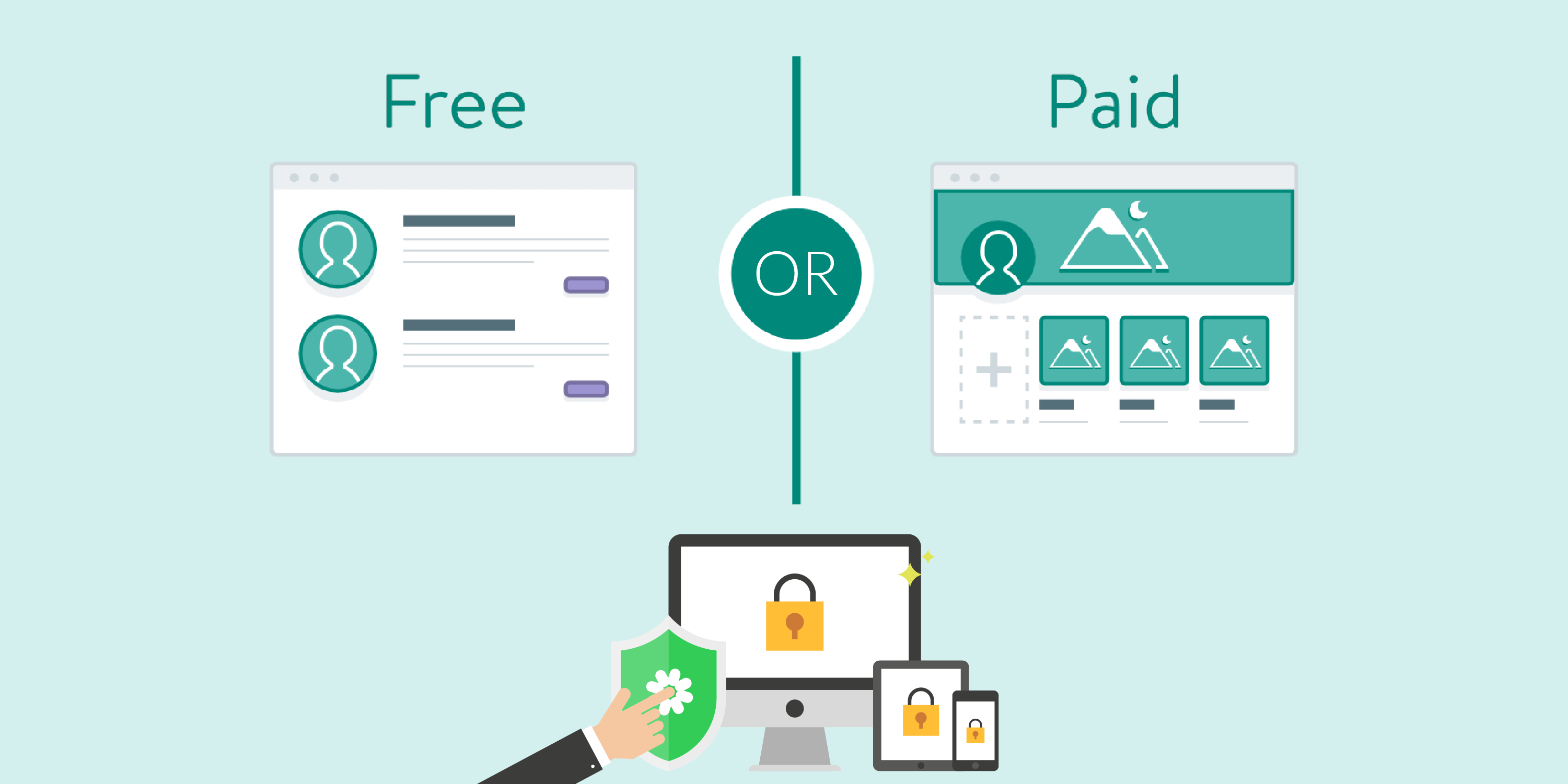
Free vs Paid Proxies: Why Free Is Never Worth It
The internet is full of free proxy lists. Do not use them for anything that matters.
| Factor | Free Proxies | Private Proxies | |--------|-------------|----------------| | Exclusivity | Shared with hundreds of users | Dedicated to you only | | Speed | 10–500Kbps (crawl-pace) | 100Mbps–1Gbps | | Uptime | 20–60% (go offline constantly) | 99.9%+ SLA | | Security | High risk (operator can read traffic) | Encrypted, reputable provider | | Block rate | Very high (IPs are burned out) | Low (fresh, managed IPs) | | Data logging | Unknown — likely yes | Reputable providers: no logs | | Cost | $0 | $1–$15/proxy/month |
The "cost" of free proxies is your data, your security, and wasted development time debugging connections that drop every few minutes.
Types of Private Proxies
1. Datacenter Private Proxies
IP addresses hosted in commercial data centers — not associated with any residential ISP.
Best for: High-speed scraping, SEO rank tracking, ad verification, brand monitoring, gaming Speed: 100Mbps–1Gbps Block risk: Medium-High (Cloudflare and bot protection services can identify datacenter IP ranges) Cost: $1–$3/proxy/month
Browse datacenter proxy plans →
2. Residential Private Proxies
Real IP addresses assigned by ISPs to home broadband customers. When you use a residential proxy, websites see traffic coming from a genuine home internet connection.
Best for: E-commerce scraping, social media management, ad verification, sneaker copping, market research Speed: 5–50Mbps (limited by the host connection) Block risk: Very Low (appears as real user traffic) Cost: $5–$15/proxy/month
Browse residential proxy plans →
3. ISP Static Proxies (Static Residential)
A hybrid: IP addresses hosted in data centers but registered with real ISPs. They combine datacenter speed with residential legitimacy.
Best for: Social media automation, SEO tools that require persistent identity, account management Speed: 100Mbps–1Gbps Block risk: Low (ISP-registered, harder to fingerprint as datacenter) Cost: $3–$8/proxy/month
Browse ISP static proxy plans →
4. SOCKS5 Proxies
Proxies using the SOCKS5 protocol, which handles all traffic types — not just HTTP/HTTPS.
Best for: Gaming, torrenting, email clients, any application using UDP or non-HTTP protocols Speed: Very fast (minimal header overhead) Block risk: Medium (detectable via protocol analysis) Cost: $2–$5/proxy/month
Proxy Type Comparison
| Type | Speed | Stealth | Best Use Case | Price Range | |------|-------|---------|--------------|-------------| | Datacenter | ⭐⭐⭐⭐⭐ | ⭐⭐ | Scraping, SEO tools | $ | | Residential | ⭐⭐⭐ | ⭐⭐⭐⭐⭐ | E-commerce, social | $$$ | | ISP Static | ⭐⭐⭐⭐ | ⭐⭐⭐⭐ | Accounts, social | $$ | | SOCKS5 | ⭐⭐⭐⭐⭐ | ⭐⭐⭐ | Gaming, all protocols | $$ | | Rotating | ⭐⭐⭐⭐ | ⭐⭐⭐⭐⭐ | Large-scale scraping | $$ |
What to Consider When Buying Private Proxies
1. Security and Reliability
Look for providers that:
- Never log user activity (verified no-logs policy)
- Offer IP authentication (whitelist your IP) as well as username/password auth
- Use HTTPS connections with valid SSL certificates
- Have been operating for 3+ years with a verifiable track record
2. Speed and Infrastructure
At minimum, you need:
- 100Mbps uplink per proxy for standard scraping tasks
- 1Gbps uplink for high-throughput data pipelines
- Sub-100ms latency from proxy to target (check server location proximity)
- 99.9% uptime SLA with documented compensation for downtime
3. Location Coverage
The more countries and cities available, the more flexibility you have for geo-targeted tasks. For global e-commerce monitoring, you need proxies in at least the US, UK, EU, and Asia.
LimeProxies offers locations across 50+ countries with city-level targeting for major markets.
4. IP Pool Quality
Fresh IPs that have not been burned by previous users are critical. Ask providers:
- How often is the IP pool refreshed?
- What is the average IP age in your pool?
- Do you replace IPs that get flagged at no extra cost?
5. Customer Support
Proxy issues are always urgent — a blocked IP at 2 AM can halt a production pipeline. Look for:
- 24/7 live chat or ticket support
- Response time under 2 hours for critical issues
- Technical team that understands proxy use cases (not just billing support)
Where to Buy Private Proxies: What to Compare
When evaluating proxy providers, use this scorecard:
| Criterion | What to Check | |-----------|--------------| | IP pool size | Larger is better — reduces reuse and detection | | Protocol support | HTTP + HTTPS minimum; SOCKS5 a bonus | | Auth methods | IP whitelist + user/pass both available | | Trial available | 2–3 day free trial or money-back guarantee | | Bandwidth cap | Unlimited bandwidth preferred | | Control panel | Intuitive dashboard for IP management | | API access | Automate proxy rotation via API | | Refund policy | Clear, no-questions-asked policy |
LimeProxies offers all of the above — 99.9% uptime, 1Gbps connections, 50+ locations, HTTP + SOCKS5 support, IP whitelisting, and a free 2-day trial. Plans start at $5/month.
5 Common Mistakes When Buying Private Proxies
-
Buying on price alone. Cheap proxies often mean burned IPs, shared pools, or unreliable infrastructure. Calculate cost per successful request, not cost per proxy.
-
Choosing the wrong proxy type. Using datacenter proxies against Cloudflare-protected sites leads to near-100% block rates. Match proxy type to target site's anti-bot sophistication.
-
Not rotating IPs. Even private proxies should be rotated across sessions when scraping at scale. One IP making 10,000 requests will eventually be flagged.
-
Ignoring location. Connecting to a US gaming server from an EU proxy adds 100ms+ of unnecessary latency. Always match proxy location to use case geography.
-
Skipping the trial. Always test a provider's IPs against your specific targets before committing to a large plan. Success rates vary significantly between proxy providers for the same target sites.
Summary
Private proxies are essential infrastructure for any business operation requiring reliable, anonymous, and high-speed IP access — whether that's competitive price monitoring, SEO rank tracking, ad verification, or social media management.
Quick start:
- Private dedicated proxies — best all-purpose private proxy plan
- Rotating proxies — automatic IP rotation for scraping at scale
- Datacenter proxies — fastest option for high-throughput pipelines
- SOCKS5 proxies — all-protocol support
Try LimeProxies free for 2 days — no credit card required. View plans →
Post Quick Links
Jump straight to the section of the post you want to read:



About the author
LimeProxies Team
Related Articles
Datacenter vs Residential Proxies: Which Should You Choose in 2026?
Datacenter proxies are faster and cheaper for most tasks. Residential proxies handle heavily bot-protected sites. This guide breaks down every difference so you pick the right type — and avoid overpaying.
How to Use Proxies for E-Commerce Price Monitoring in 2026
Proxies are the backbone of reliable e-commerce price monitoring. Discover how to track competitor prices at scale, beat anti-bot systems, monitor geo-specific pricing, and build a full price intelligence stack in 2026.
Web Scraping With Proxies: The Complete Guide for 2026
Web scraping with proxies lets developers and businesses collect data at scale without IP bans or rate limits. This complete 2026 guide covers Python setup, proxy rotation, tool comparisons, anti-bot tactics, and ethical best practices.